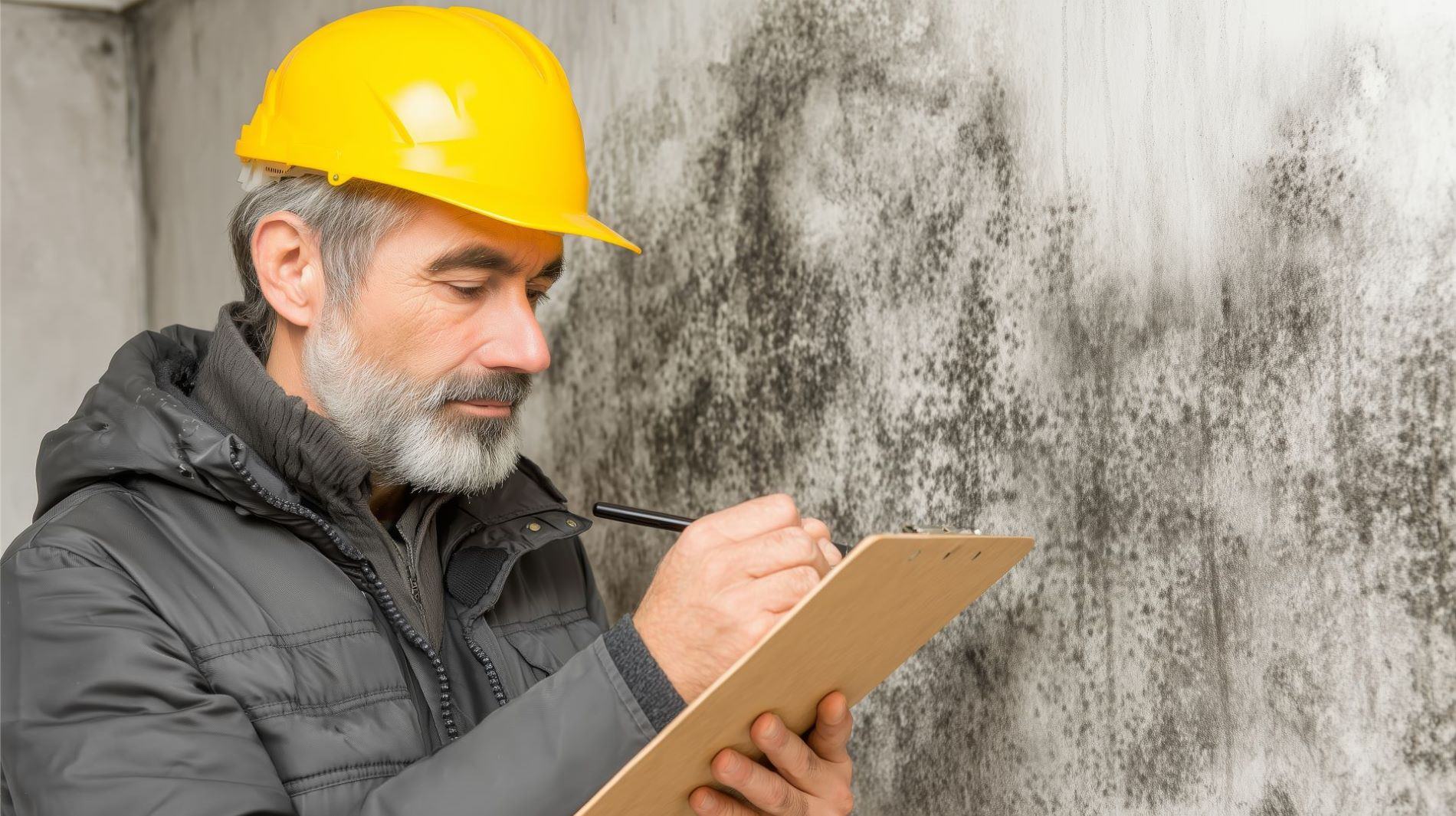
Finishing mold remediation should bring peace of mind—but for many homeowners, uncertainty lingers. If you’re asking yourself whether your mold remediation is successful, you’re not alone. Mold can be persistent, and without proper verification, it may return weeks or even months later.
This guide explains how homeowners can verify mold remediation, recognize warning signs early, and protect their home from recurring mold damage—especially after water intrusion, storms, or insurance-related repairs.
Why Mold Remediation Needs Verification
Mold remediation focuses on removing contaminated materials and cleaning affected areas, but successful remediation depends on more than surface cleanup. If moisture remains, mold can regrow quickly.
According to the U.S. Environmental Protection Agency, mold can begin growing again within 24–48 hours if moisture is not properly controlled.
That’s why a professional mold remediation inspection is a critical final step—not an optional extra.
Without verification, homeowners may experience:
- Lingering mold odors
- Hidden contamination behind walls
- Health symptoms that don’t resolve
- Repeat remediation costs
Why Mold Can Return After Remediation
Even professionally performed remediation can fail if the underlying conditions that caused the mold aren’t fully resolved.
Common reasons mold returns include:
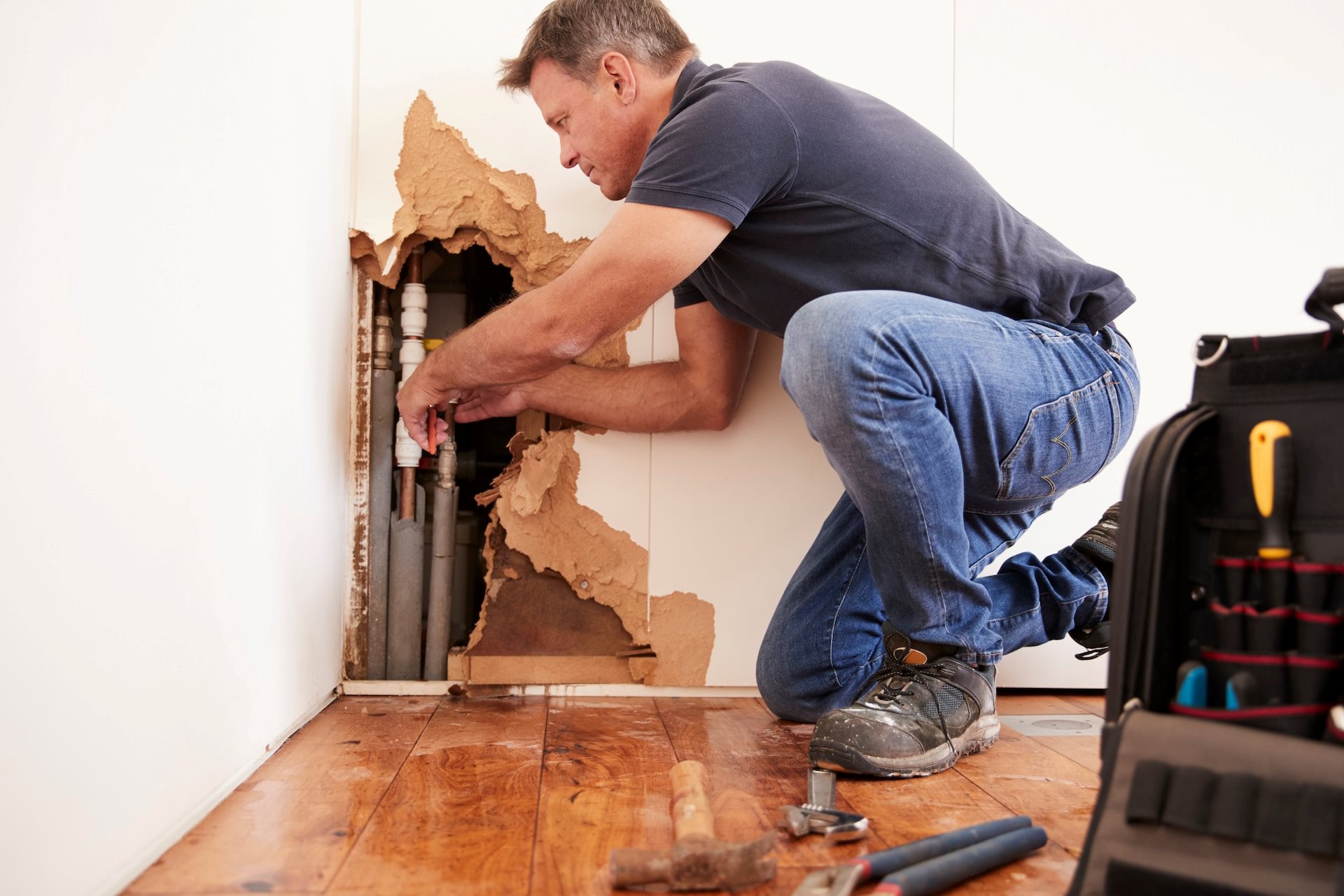
- The original moisture source wasn’t fully repaired
- Contaminated materials were missed
- Hidden moisture in walls or subfloors remains
- Indoor humidity stays too high
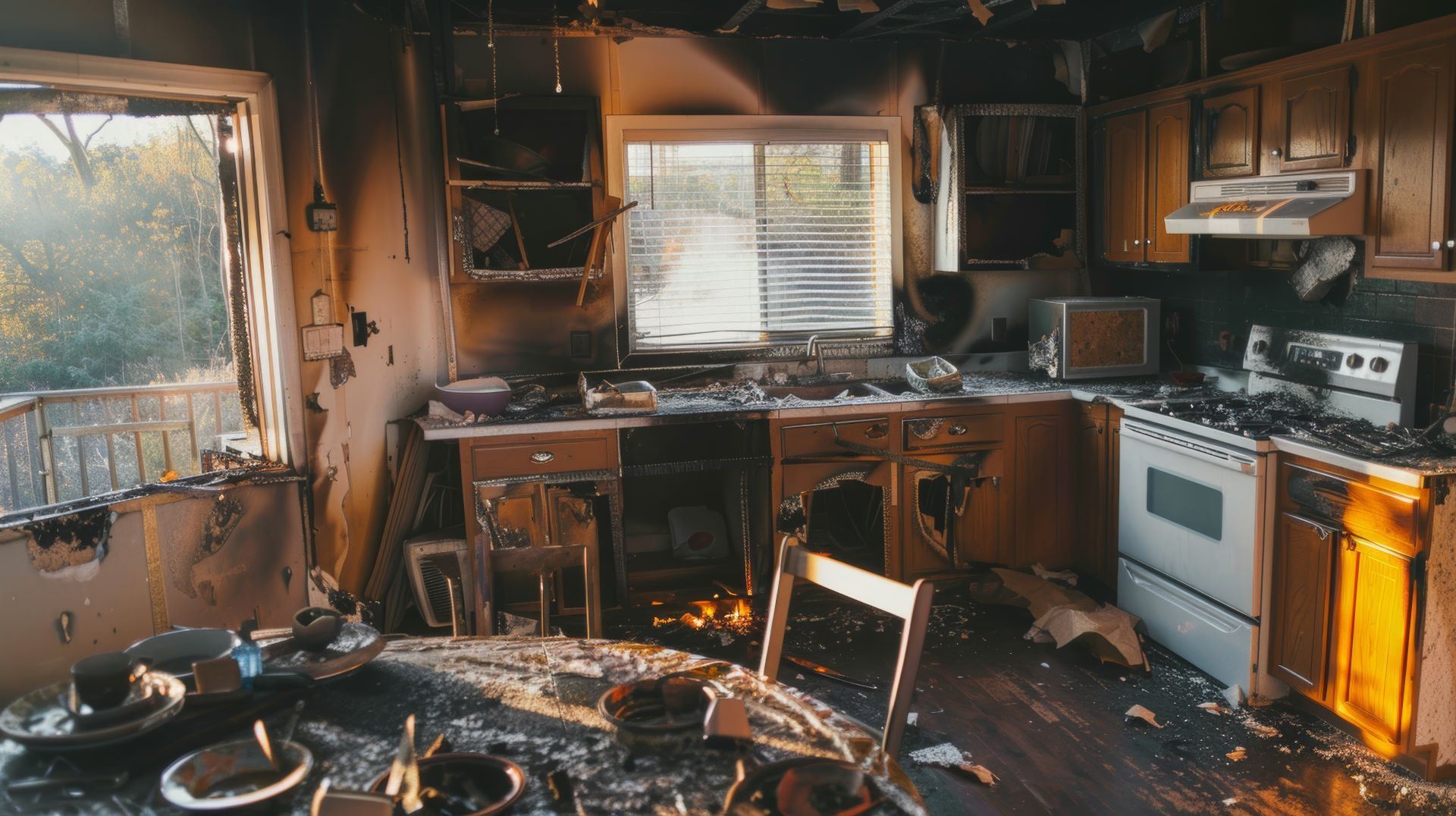
Mold growth is often tied to prior water damage. If leaks, flooding, or storm water caused the issue, mold can begin growing again before it becomes visible. Learn more about that timeline here:
Visual Signs Your Mold Remediation Worked (or Didn’t)
Signs of Successful Mold Remediation
- No visible mold growth
- Clean, dust-free surfaces
- No recurring stains or discoloration=
- Proper removal and replacement of damaged materials
Signs Mold Remediation Failed
These are common signs mold remediation failed:
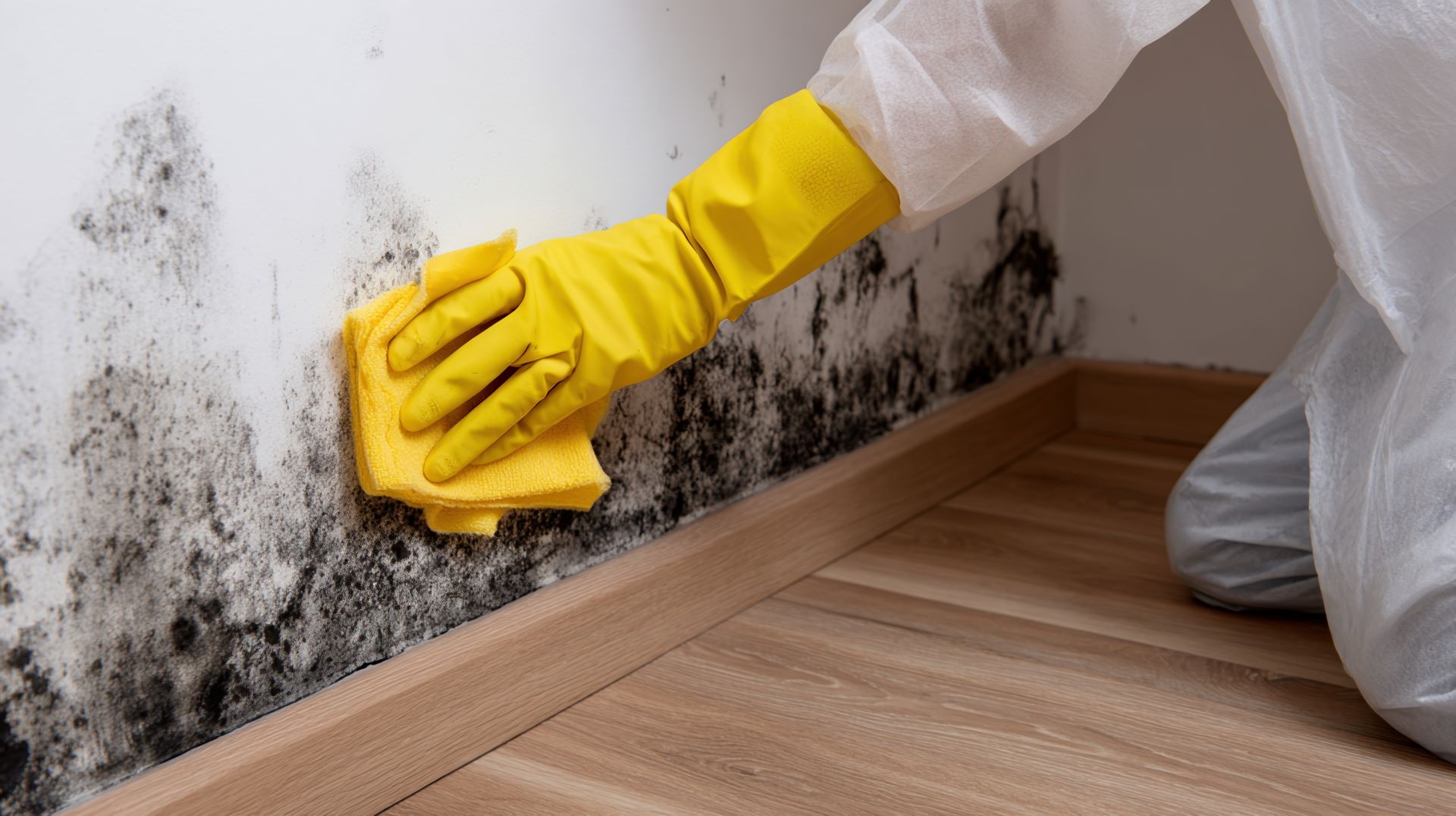
- Dark spots returning in the same areas
- Bubbling paint or warped drywall
- Stains near baseboards, ceilings, or corners
- Areas sealed or painted over without documentation
If you notice any of these, a post remediation inspection is strongly recommended.
Lingering Odors: Why the Smell Test Matters
A lingering mold smell is often the first warning sign homeowners notice.
Musty odors may indicate:
- Missed mold contamination
- Moisture problems after mold removal
- Mold growth inside HVAC systems
Cleaning or chemical smells should fade quickly. A persistent musty odor often means mold spores or moisture remain trapped somewhere in the structure.
Moisture Levels: The Most Important Indicator of Success
Mold cannot survive without moisture. That’s why moisture control is the foundation of mold remediation verification.
The U.S. Department of Housing and Urban Development identifies moisture control as the most critical factor in preventing mold in residential homes.
Professionals inspect areas such as:
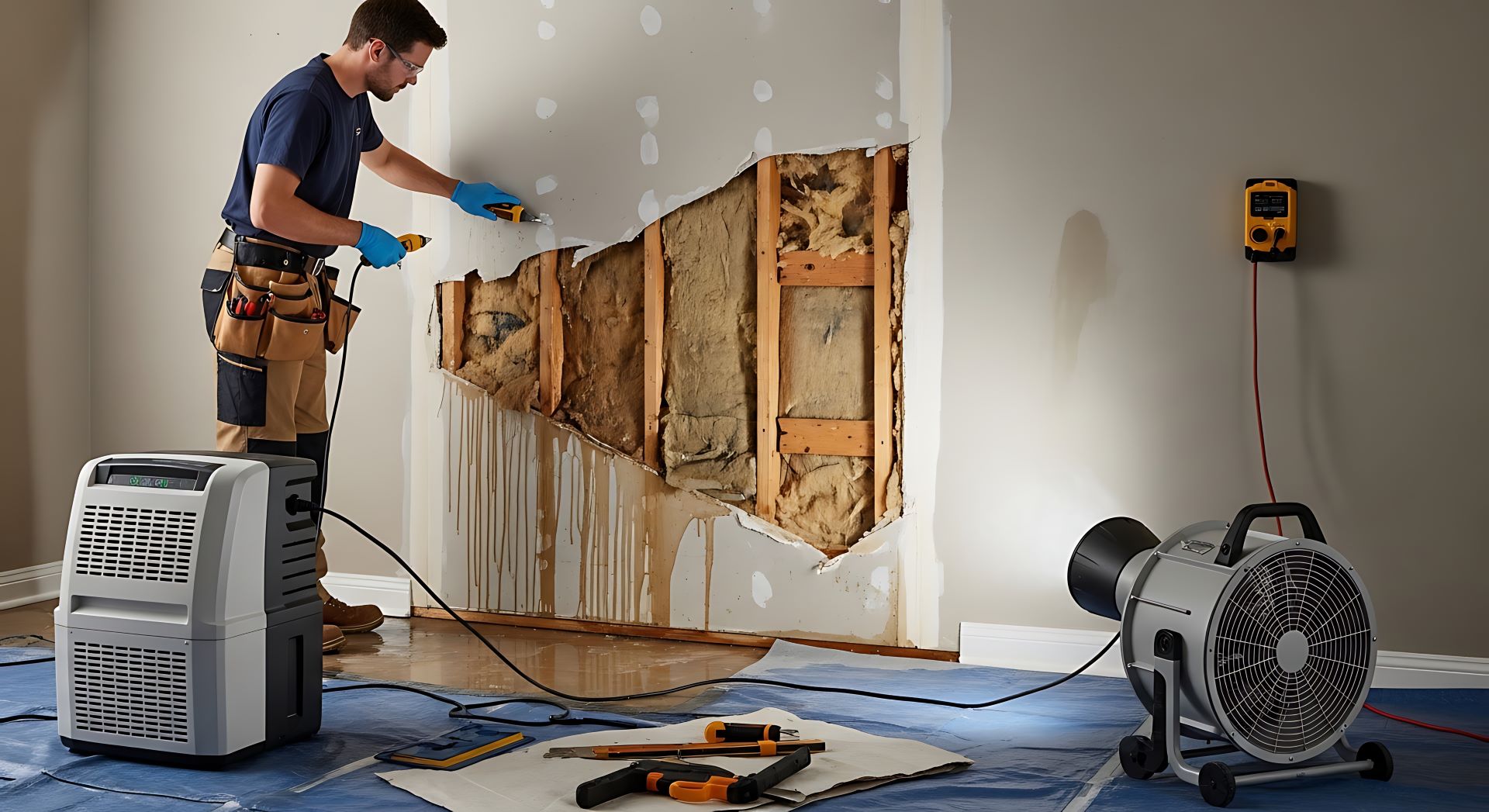
- Behind walls and cabinets
- Beneath flooring and carpet padding
- Attics and crawl spaces
- Around plumbing and HVAC components
Professional moisture meters and infrared tools help detect moisture problems after mold removal that homeowners cannot see.
Was Post-Remediation Testing Performed?
What Is Mold Remediation Verification?
Mold remediation verification confirms that:
- Mold has been properly removed
- Moisture levels have returned to normal
- Indoor air quality is safe
This may include mold remediation testing, such as air or surface sampling, particularly after large or complex projects.
Peer-reviewed research published through the National Institutes of Health links indoor dampness and mold exposure to increased respiratory symptoms.
When Testing Is Strongly Recommended
- Large remediation projects
- Homes impacted by flooding
- Health-related mold concerns
- Insurance claims or disputes
Understanding policy coverage can also help homeowners make informed decisions during this process:
HVAC and Air Quality Checks After Mold Remediation
Mold spores can spread through ductwork and remain airborne long after remediation is completed.
Warning signs include:
- Musty odors from air vents
- Dust buildup around registers
- Persistent respiratory irritation
The Centers for Disease Control and Prevention notes that mold exposure can worsen asthma and other respiratory conditions, particularly in sensitive individuals.
In some cases, air quality testing after mold may be recommended to confirm safe indoor conditions.
Health Symptoms That May Signal Ongoing Mold Issues
Health symptoms are often the reason homeowners seek a mold remediation follow up.
Symptoms may include:
- Chronic coughing or congestion
- Headaches or fatigue
- Symptoms that improve when leaving the home
If symptoms persist, it is important to rule out continued exposure rather than assuming the issue was fully resolved.
DIY Checks Homeowners Can Do (and Their Limits)
Homeowners can perform basic checks, but these methods have limitations.
What homeowners can check:
- Visible moisture
- Odors
- Ventilation and humidity levels
What DIY methods cannot confirm:
- Hidden mold growth
- Airborne spore concentrations
- Moisture trapped behind walls
Home mold test kits are not a substitute for professional inspection and often lead to false reassurance or unnecessary concern.
When to Get a Second Opinion After Mold Remediation
You should consider a professional follow-up if:
- Mold came back after remediation
- No documentation was provided
- Moisture issues persist
- You are preparing to sell or refinance
Storm-related moisture events frequently trigger mold problems. Homeowners should also review recovery guidance here:
For a comprehensive inspection or evaluation, professional mold damage services are available here:
Typical Mold Remediation Follow-Up Timeline
Stage | Recommended Timing
Visual inspection | Immediately after remediation
Moisture readings | Within 24–48 hours
Air or surface testing | After drying is complete
Follow-up inspection | 30–60 days later
This timeline supports preventing mold regrowth and confirms that conditions remain stable.
Preventing Mold From Returning
Long-term prevention is essential after remediation.
Prevention tips include:
- Repair leaks immediately
- Improve ventilation in kitchens and bathrooms
- Keep indoor humidity below 60 percent
- Inspect the home after storms or flooding
FAQs
How can I tell if my mold remediation was successful?
Successful remediation means no visible mold, no musty odors, normal moisture levels, and no ongoing water issues. The most reliable confirmation comes from a post-remediation inspection.
Can mold come back after professional remediation?
Yes. Mold can return if moisture sources were not fully resolved or contaminated materials were missed.
Should I get post-remediation testing after mold removal?
Testing is not always required but is strongly recommended after large jobs, flooding, health concerns, or insurance claims.
What are the signs that mold remediation failed?
Musty odors, visible discoloration, persistent moisture, or worsening health symptoms are common warning signs.
How soon should I re-inspect my home after mold remediation?
Immediately after completion and again within 30–60 days, especially if the home had leaks or flooding.